logo
제품
우리 에 관한 것
공장 투어
품질 관리
저희와 연락
견적 요청
뉴스
블로그
블로그

Guide to Terminal Block Wiring Principles and Troubleshooting

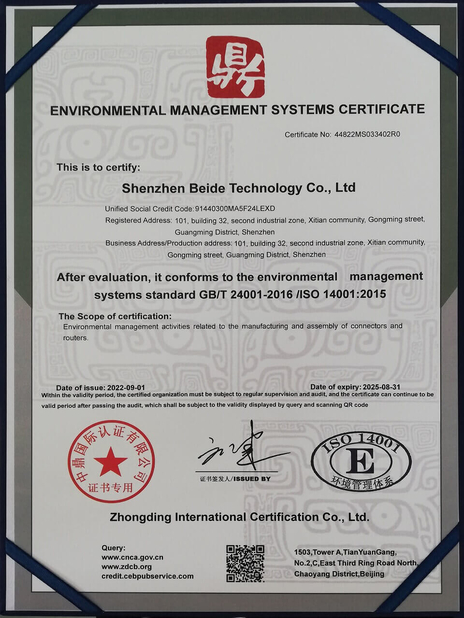
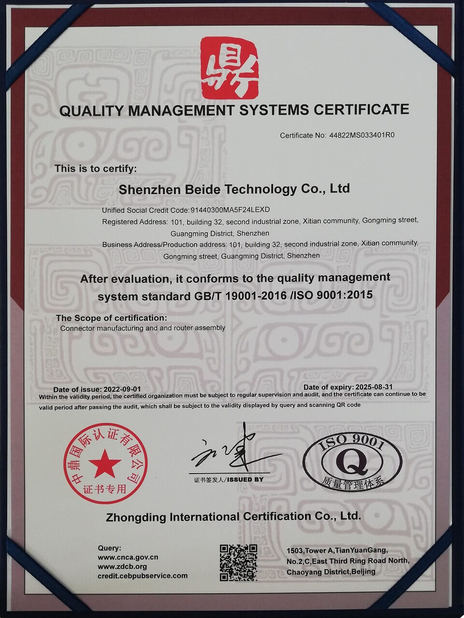
인증
중국 DONGGUAN BEDE MOLD AND PLASTIC FRODUCTS CO., LID 인증
고객 검토
안녕, 엘리사 작년 초, 제 동료가 여러분의 회사에서 20개의 전선을 주문했습니다. 저희 회사에서 만든 케이블은 꽤 잘 작동했습니다. 그리고 저는 미래에 이런 케이블을 더 많이 생산하기 위해 여러분의 회사를 이용하는 것에 관심이 있습니다.

—— 매튜 고에츠만

경쟁력있는 가격, 고품질 서비스, 우리는 오랫동안 당신과 협력 할 것입니다!

—— 둥그 이야

제가 지금 온라인 채팅 해요
회사 블로그
Guide to Terminal Block Wiring Principles and Troubleshooting
에 대한 최신 회사 뉴스 Guide to Terminal Block Wiring Principles and Troubleshooting

Terminal blocks serve as crucial components in electrical systems, providing secure and reliable connections between wires. Improper wiring can not only compromise equipment performance but also create significant safety hazards. This comprehensive guide examines terminal block wiring principles, offers step-by-step instructions, and addresses common challenges to help professionals master this essential skill.

Understanding Terminal Blocks

As fundamental elements in electrical connectivity, terminal blocks facilitate circuit completion and control across various devices and systems. These components come in three primary configurations:

  • Screw-type terminals: Feature clamping screws for wire fixation
  • Spring-loaded terminals: Utilize spring pressure to secure conductors
  • Push-in terminals: Allow direct wire insertion without tools

Each variant demonstrates distinct characteristics that determine its appropriate applications in different electrical environments.

Wiring Procedure

Before initiating any wiring work, always disconnect power sources to ensure personnel safety. Essential tools include wire strippers and appropriately sized screwdrivers (for screw-type terminals). Follow these systematic steps:

  1. Consult circuit diagrams or equipment manuals to identify wire-terminal pairings
  2. Strip insulation using calibrated wire strippers, exposing sufficient conductor length without damaging copper strands
  3. For screw-type terminals: Insert bare conductor into terminal chamber and tighten screw to specified torque
  4. For spring-loaded terminals: Depress spring mechanism, insert conductor, then release to secure connection
  5. For push-in terminals: Directly insert prepared conductor until audible or tactile confirmation

Conclude by thoroughly inspecting all connections for mechanical stability and electrical continuity, preventing potential loose contacts or short circuits.

Common Challenges and Solutions

Several frequent wiring issues merit particular attention:

  • Improper stripping length: Excessive exposure risks short circuits, while insufficient length compromises conductivity
  • Incorrect screw torque: Over-tightening may damage terminal housings; under-tightening creates unstable connections
  • Wrong insertion orientation: Reversed polarity can disrupt circuit functionality

To prevent these issues, strictly adhere to manufacturer specifications in technical documentation. Implement regular maintenance inspections to detect and address connection degradation, corrosion, or loosening, thereby ensuring sustained electrical system reliability.

선술집 시간 : 2026-06-10 00:00:00 >> blog list
연락처 세부 사항
DONGGUAN BEDE MOLD AND PLASTIC FRODUCTS CO., LID

담당자: Ms. admin

전화 번호: 15915396878

회사에 직접 문의 보내기 (0 / 3000)