logo
제품
우리 에 관한 것
공장 투어
품질 관리
저희와 연락
견적 요청
뉴스
블로그
블로그

Pushin Vs Screw Terminals Wiring Efficiency Compared

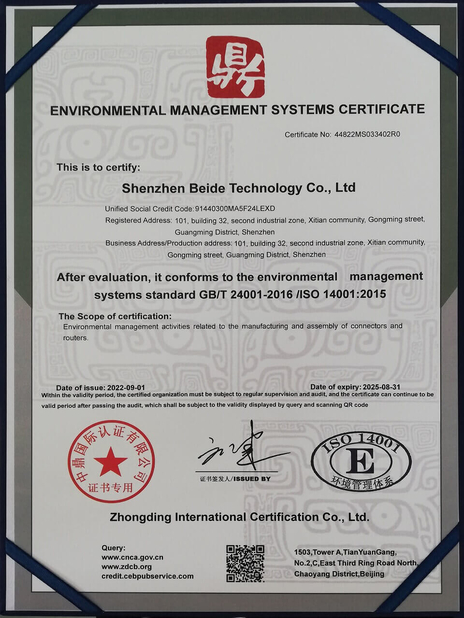
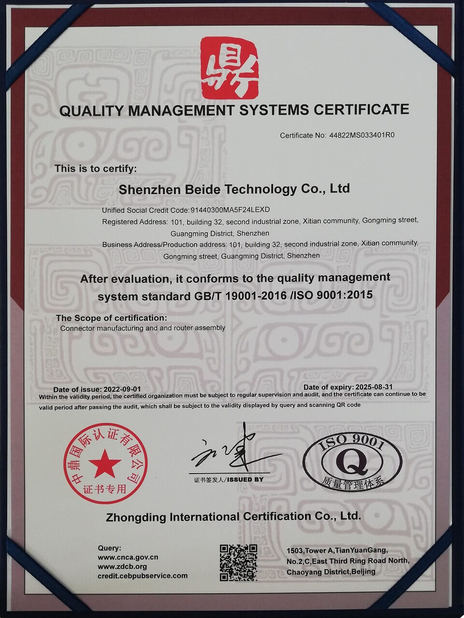
인증
중국 DONGGUAN BEDE MOLD AND PLASTIC FRODUCTS CO., LID 인증
고객 검토
안녕, 엘리사 작년 초, 제 동료가 여러분의 회사에서 20개의 전선을 주문했습니다. 저희 회사에서 만든 케이블은 꽤 잘 작동했습니다. 그리고 저는 미래에 이런 케이블을 더 많이 생산하기 위해 여러분의 회사를 이용하는 것에 관심이 있습니다.

—— 매튜 고에츠만

경쟁력있는 가격, 고품질 서비스, 우리는 오랫동안 당신과 협력 할 것입니다!

—— 둥그 이야

제가 지금 온라인 채팅 해요
회사 블로그
Pushin Vs Screw Terminals Wiring Efficiency Compared
에 대한 최신 회사 뉴스 Pushin Vs Screw Terminals Wiring Efficiency Compared

When faced with the myriad of switches and sockets during home renovations, many homeowners wonder: which wiring method is safer and more convenient? The choice often comes down to two mainstream options - the seemingly simple push-in connectors or the time-tested screw terminals. This article provides a comprehensive, data-driven comparison of these two wiring methods to help you make an informed decision that ensures electrical safety while optimizing installation efficiency.

1. Push-In Connectors: The Modern Choice for Speed and Convenience

Push-in connectors, also known as back-wired connectors, have revolutionized electrical installations with their no-twist, direct-insertion design. These connectors feature built-in metal clamps that securely grip inserted wires, creating stable electrical connections. From an analytical perspective, their advantages primarily manifest in efficiency gains and standardized operations.

Key Advantages:
  • Installation Efficiency: Simply strip the wire insulation and insert the conductor into the rear port, eliminating the need for screw-twisting. Data shows this can reduce installation time by up to 50%. For large-scale projects requiring thousands of installations, this translates to significant labor cost savings.
  • Reliable Connections: Precision-engineered metal clamps maintain consistent pressure on wires, minimizing the risk of loosening over time. Analysis of electrical incident data reveals that loose connections account for approximately 15% of electrical fires, making this a critical safety feature.
  • Neat Wiring: The rear-entry design keeps wires organized and hidden, contributing to cleaner installations. Consumer surveys indicate over 70% of homeowners prioritize neat electrical work in their living spaces.
  • Broad Compatibility: These connectors work seamlessly with modern electrical devices including outlets, switches, and lighting fixtures.
Potential Limitations:
  • Wire Gauge Restrictions: Push-in connectors require specific wire diameters. Conductors that are too thick or thin may not seat properly, compromising electrical performance.
  • Shorter Track Record: While industry tests confirm their reliability, push-in connectors haven't undergone the decades of real-world validation that screw terminals have, particularly in extreme environments.
  • Overheating Concerns: Exceeding rated voltage or current capacity may cause overheating in smaller gauge wires, potentially damaging the connector.
  • Higher Cost: Push-in compatible devices typically carry a modest price premium over screw-terminal versions.
2. Screw Terminals: The Proven Traditional Solution

Screw terminals represent the conventional approach to electrical connections, using mechanical pressure from tightened screws to secure wires. Data analysis reveals their strengths lie in long-term reliability and adaptability.

Key Advantages:
  • Time-Tested Reliability: Decades of field use demonstrate exceptional stability, making them the default choice for critical infrastructure projects.
  • Wire Flexibility: Accommodates a broader range of wire gauges, including thicker conductors required for high-power appliances.
  • Easy Maintenance: Visual inspection and simple tightening procedures facilitate routine checks. Problematic connections can be easily disassembled for service.
  • Circuit Modification: Simplifies wiring changes during renovations or upgrades due to their reversible connection method.
  • Durability: Excellent heat resistance and mechanical strength support lifespans exceeding 30 years in proper conditions.
  • Cost Effective: Generally more economical than push-in alternatives.
Potential Limitations:
  • Installation Complexity: Requires forming wire loops around screws and precise tightening, making the process more time-consuming for large jobs.
  • Skill Sensitivity: Proper torque application is crucial - under-tightening risks poor contact while over-tightening may damage wires.
  • Aesthetic Challenges: Side-entry wiring can create less organized appearances compared to rear-entry alternatives.
3. Decision Framework: Selecting the Optimal Connection Method

Choosing between these technologies requires evaluating multiple factors through a data-informed lens:

Factor Push-In Score Screw Terminal Score Weight Push-In Weighted Screw Weighted
Installation Speed 9 6 0.3 2.7 1.8
Wire Gauge Flexibility 7 9 0.2 1.4 1.8
Maintenance Ease 6 8 0.2 1.2 1.6
Cost 7 9 0.2 1.4 1.8
Safety 8 8 0.1 0.8 0.8
Total 7.5 7.8
4. Safety Protocols: Essential Practices for Both Methods

Regardless of connection type, these safety measures are non-negotiable:

  • Always de-energize circuits before working
  • Follow all local electrical codes and standards
  • Regularly inspect connections for signs of wear or loosening
  • Replace damaged components immediately
  • Never exceed rated current capacities

The choice between push-in and screw terminal connections ultimately depends on specific application requirements and priorities. While push-in connectors excel in installation speed and neatness, screw terminals offer proven reliability and maintenance advantages. By applying data-driven analysis to your particular situation, you can select the optimal solution that balances efficiency, safety, and cost-effectiveness for your electrical projects.

선술집 시간 : 2026-06-14 00:00:00 >> blog list
연락처 세부 사항
DONGGUAN BEDE MOLD AND PLASTIC FRODUCTS CO., LID

담당자: Ms. admin

전화 번호: 15915396878

회사에 직접 문의 보내기 (0 / 3000)